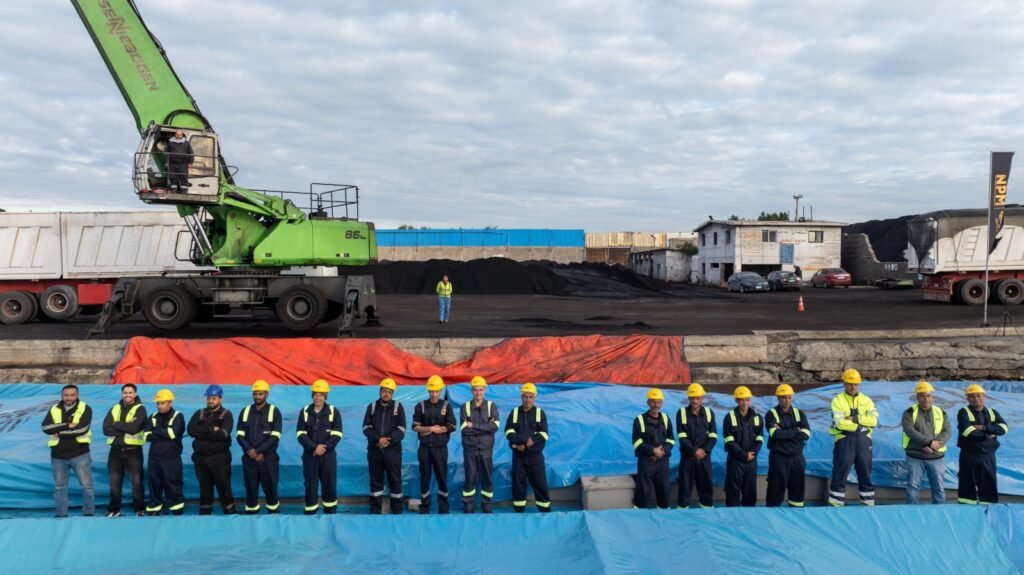
Operating under Qalaa Holdings, one of Africa’s leading infrastructure investment groups, NPM combines operational agility with institutional stability, strong governance, and rigorous HSE standards. This framework supports disciplined investment, responsible operations, and long-term strategic growth, ensuring the company delivers reliable logistics solutions while maintaining high standards of safety, environmental responsibility, and accountability.
ENVIRONMENTAL SUSTAINABILITY
Reducing the Environmental Footprint of Logistics
NPM is committed to minimizing the environmental impact of logistics operations by promoting efficient transport modes, responsible cargo handling, and cleaner energy use across its facilities.
Promoting Inland Waterway Transport
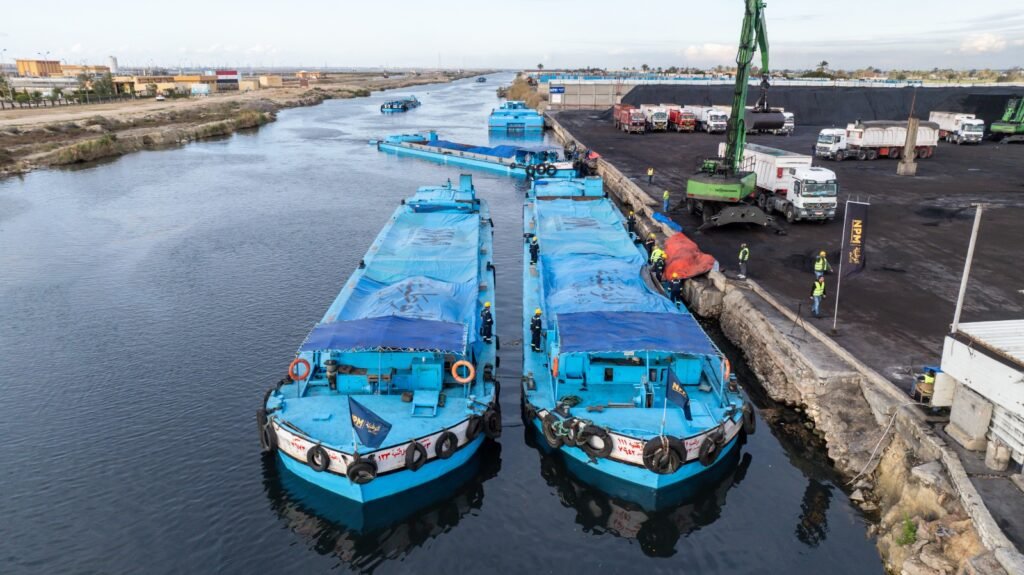
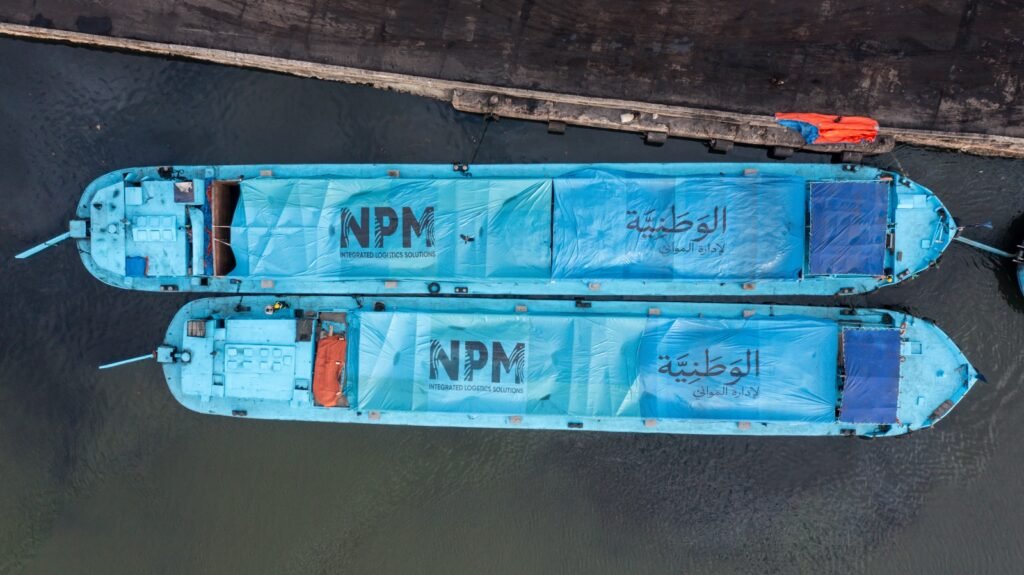
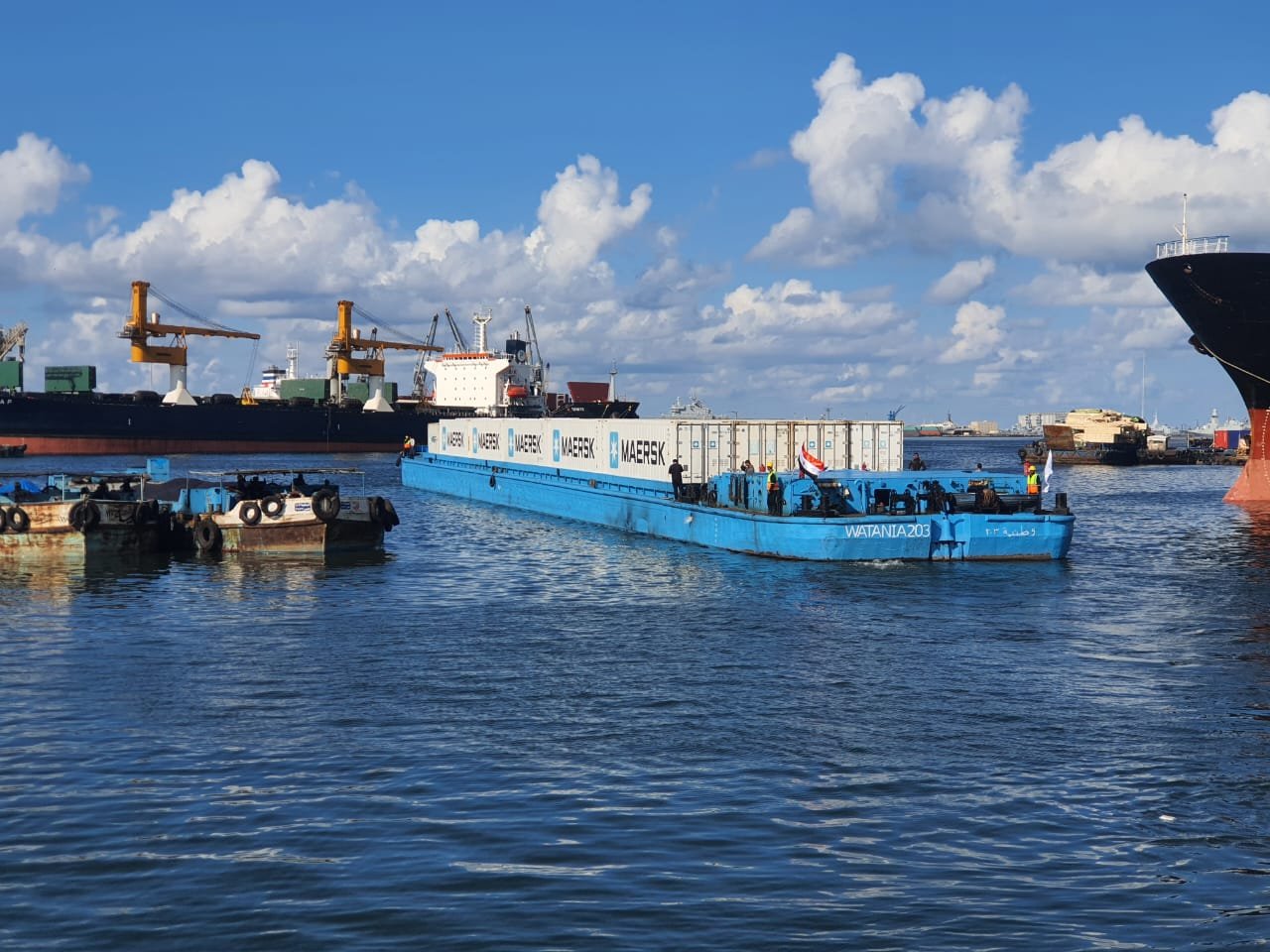
River transport is among the most energy-efficient and environmentally responsible modes of cargo movement. By shifting cargo from road to river, NPM helps reduce emissions, fuel consumption, and pressure on road infrastructure while improving the sustainability of supply chains.
Environmental benefits of river logistics
Lower CO₂ emissions compared to long-haul trucking
Reduced fuel consumption per ton-kilometer
Decreased road congestion and infrastructure wear
Support for more sustainable national transport networks
This multimodal approach enables clients to move large cargo volumes with a significantly reduced environmental footprint.
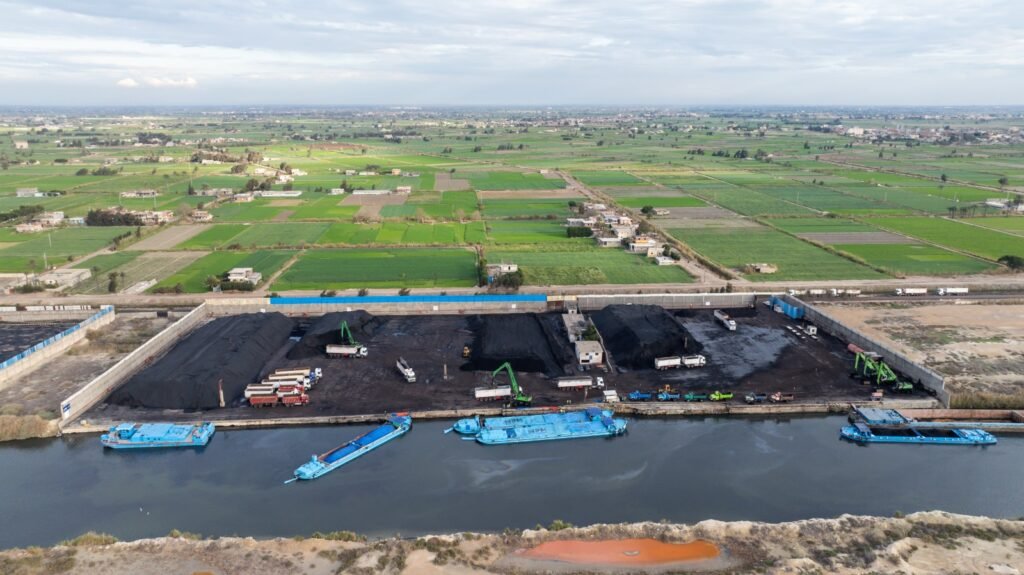
Responsible Dry Bulk Handling
Key environmental measures
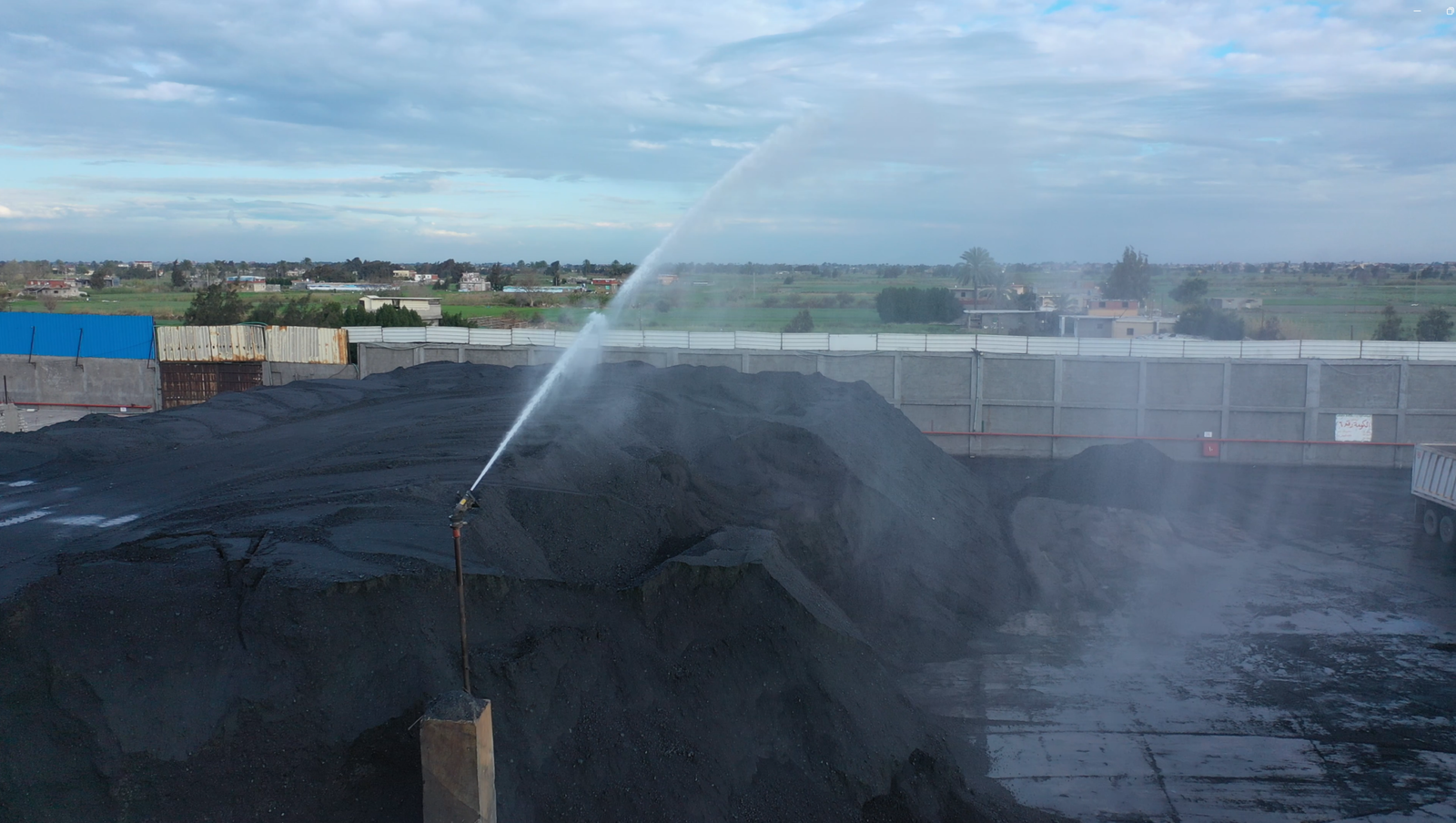
Dust suppression and cargo containment procedures
Controlled offshore discharge and transfer operations
Dedicated handling equipment and storage areas
Continuous monitoring and enforcement of environmental and safety protocols
These practices help minimize emissions, reduce environmental impact, and ensure safe handling of essential industrial cargo.
Cleaner Energy Use at Logistics Facilities
NPM is actively investing in electrification across its logistics facilities to reduce reliance on diesel-powered generators. At the Nubaria Inland Container Depot, electrical infrastructure has been developed to power reefer containers directly from the grid, minimizing generator use and reducing associated emissions. This transition supports more sustainable operations while improving energy efficiency and reliability across the facility.